Inspect anodes, connectors, fasteners, through-hulls, bonding and water intrusion together; isolated miracle treatments are not a maintenance system.
Know what metal and water you are dealing with
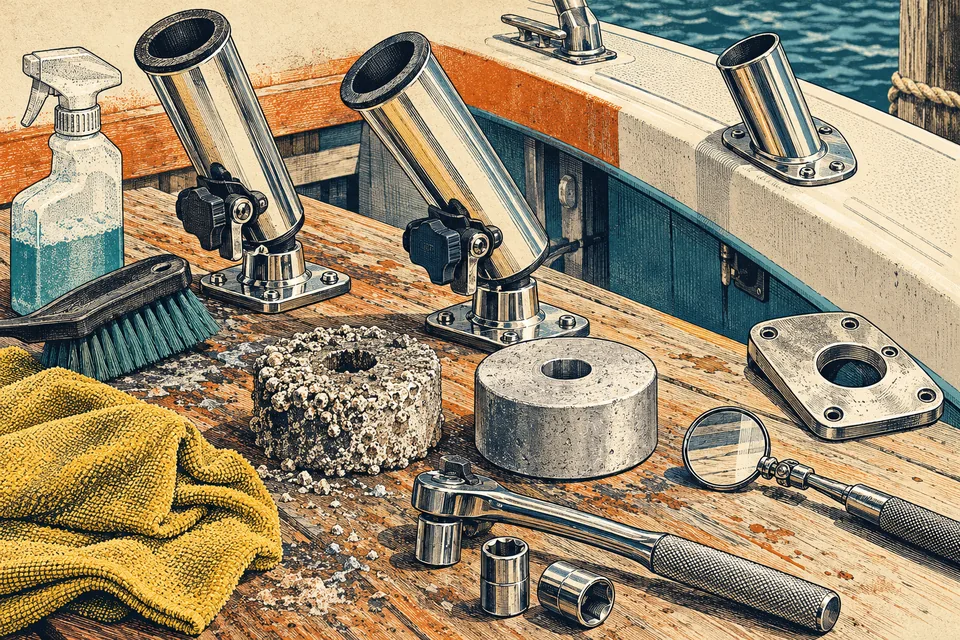
Sacrificial anode selection depends on whether the boat normally lives in salt, brackish or fresh water and the materials being protected. Product selection should follow equipment-maker guidance for the actual installation.
Anode material matters; “zinc” is often used as a generic nickname for a category with multiple materials and applications.
Look at electrical connections
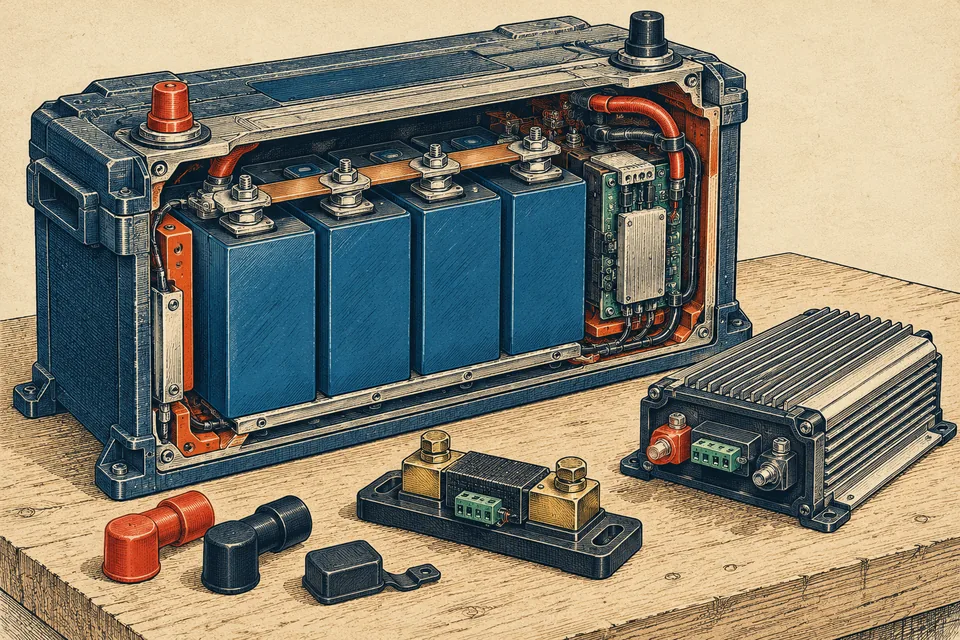
Moisture, vibration and salt can degrade terminals and raise resistance. That can cause voltage drop, unreliable electronics and overheating. Inspect exposed cable ends, junctions, battery terminals and bonding points.
If you suspect stray-current corrosion, involve a qualified marine electrician. Randomly disconnecting bonding conductors can create new hazards.
Watch the wet/dry boundary
Inspect deck penetrations, hatch seals, windows, transom hardware, cable glands and fastener holes. A leak that merely wets insulation this season may become core damage later.
Record any changes in staining, softness, odor or standing water so you can see whether a repair actually worked.
Make maintenance measurable
Photograph anodes, note dates, record battery voltage trends and write down new cracks or corrosion. A repeatable log means the next inspection is a comparison, not a fresh round of guessing.
Keep manufacturer service schedules for engines and safety equipment alongside the general inspection routine.
Do not mix metals and sealants blindly
Galvanic interactions, sealant chemistry, fastener material and electrical continuity matter. Check manufacturer requirements for specific through-hulls, fittings and dissimilar-metal joints.
A $12 tube of the wrong sealant can create a very expensive problem.
Take this list shopping
- Anodes and their material suitability checked
- Electrical connections inspected for moisture and heat
- Through-hulls/penetrations examined
- Photos and service dates recorded
- Stray-current concerns referred to a marine professional
Sources and further reading
Links are to original manufacturer documentation, authoritative boating references, or primary resources. Specific product choices still require checking current instructions.
Research published 2026-10-08. Independent educational guidance; not a certified marine engineering, electrical, mechanical or safety inspection.