FORTY-EIGHT WAYS TO AVOID A BAD PURCHASE
Research beats
buyer’s remorse.
Browse all the buying guides across water, snow, road and dirt. No fake road tests and no paid rankings.
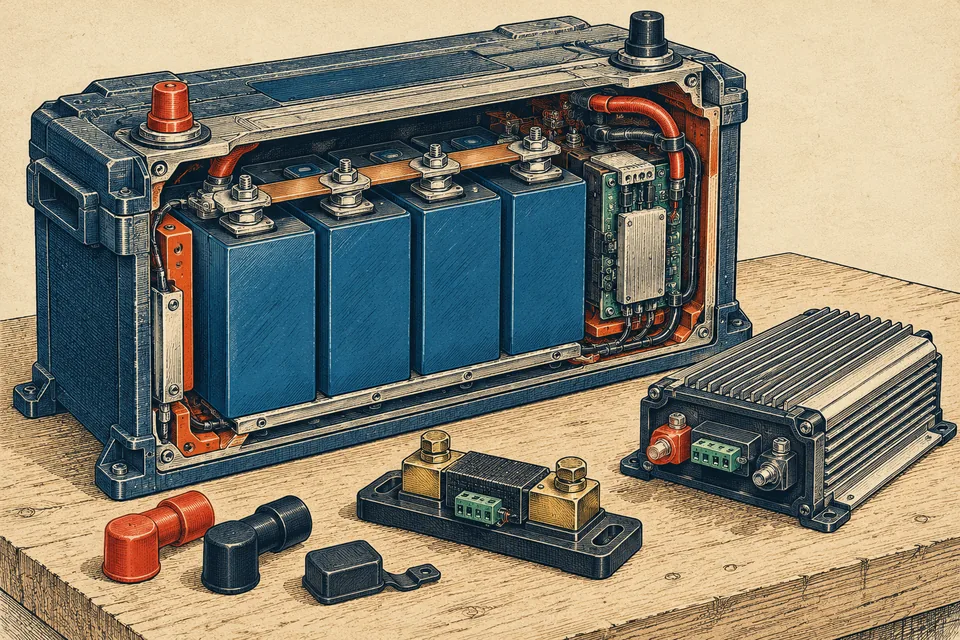 Replacing a boat house battery with lithium: five compatibility checks before buyingLiFePO₄ can be a wonderful upgrade. It can also expose every shortcut in an old charging system. Do the checks in this order.Read the guide
 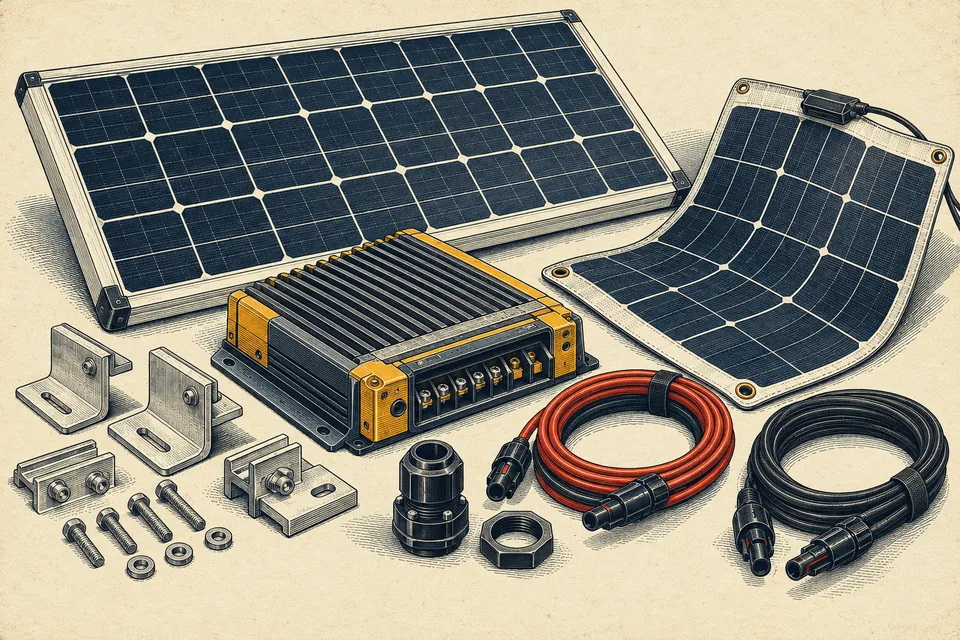 Boat solar sizing without the wishful thinkingThe secret variable is not panel wattage. It is daily watt-hours after shade, controller losses and a boat that refuses to face the sun.Read the guide
 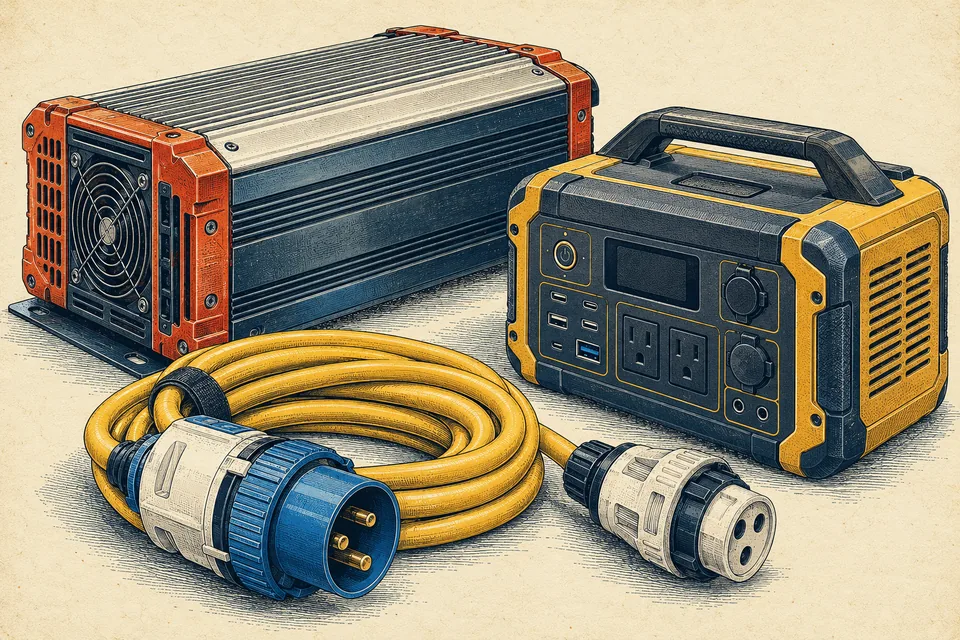 Shore power, inverter or generator: which one solves the actual problem?A quiet night at anchor, a microwave and a diesel generator are three different purchasing decisions masquerading as one.Read the guide
 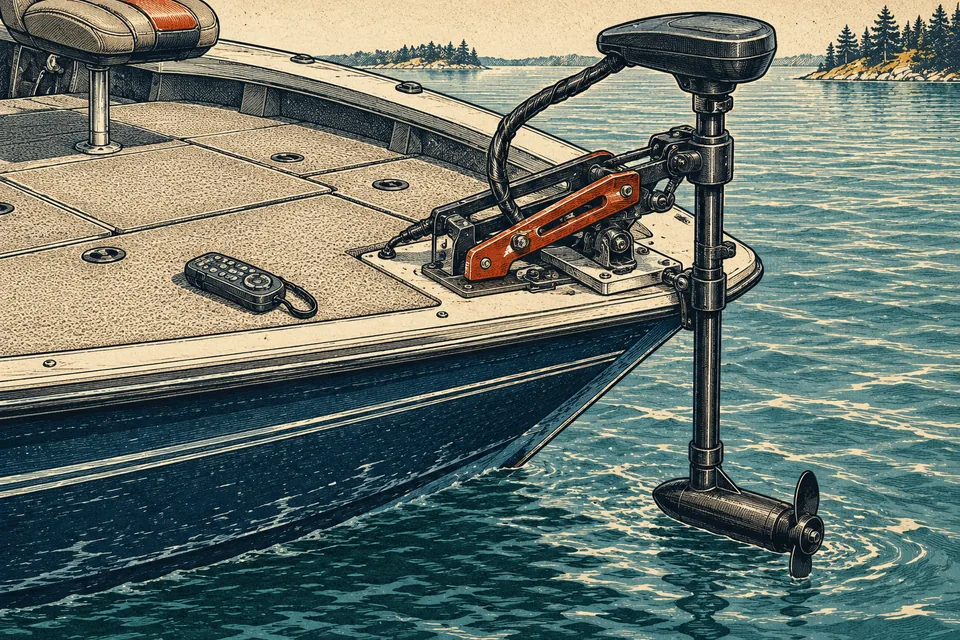 Trolling motor shaft length: stop guessing from boat lengthThe wrong shaft length is the kind of mistake that becomes obvious only after the box is empty and the return window is closing.Read the guide
 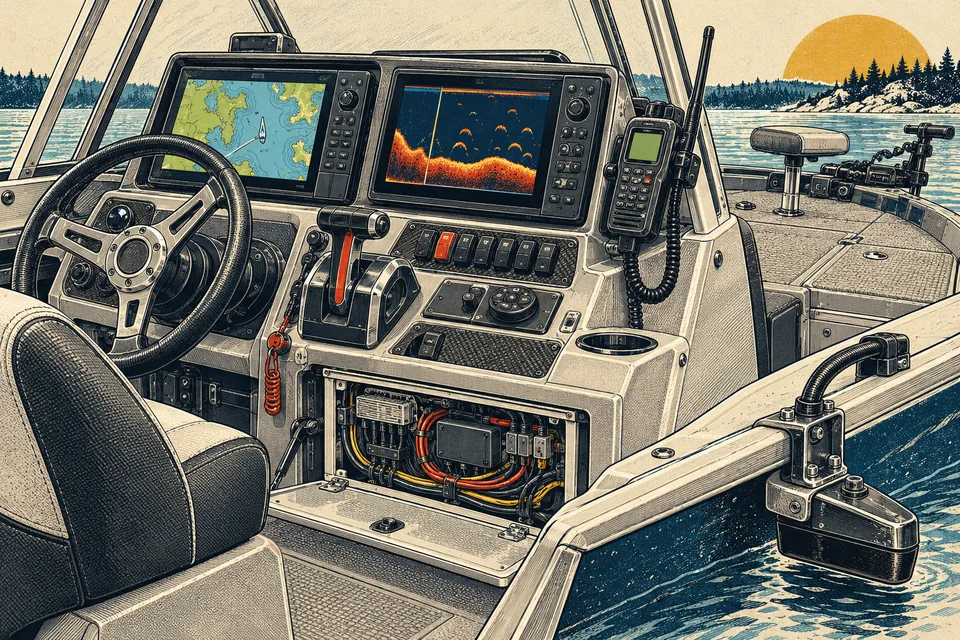 Before replacing a chartplotter, identify the transducer you already ownSame brand is not the same thing as compatible. Connectors, sonar capabilities and generations all have a vote.Read the guide The sensible marine connectivity stack: VHF first, internet secondStreaming the baseball game and calling for assistance do not belong in the same reliability category.Read the guide
 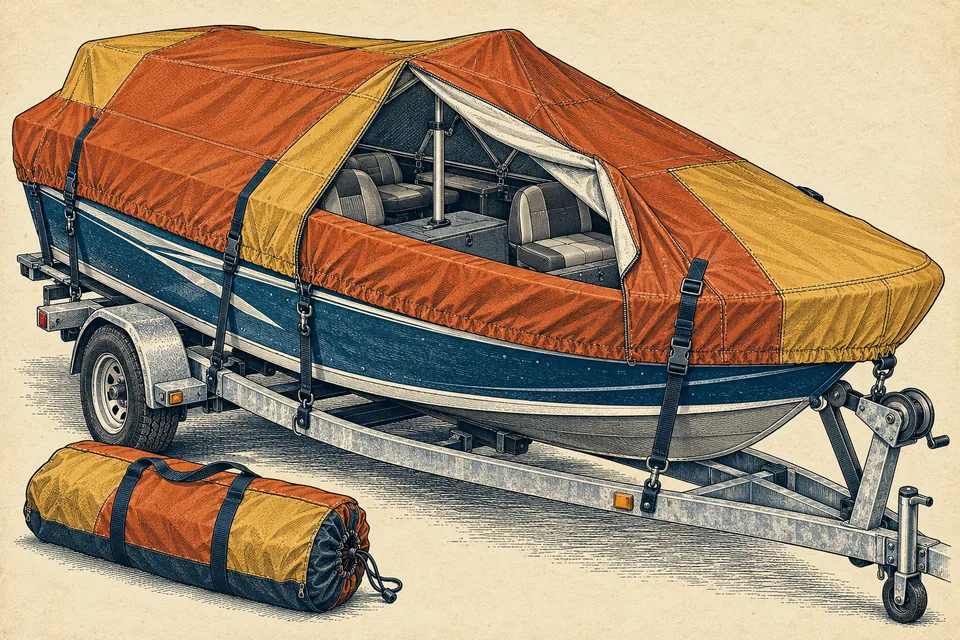 How to measure a boat for a cover without buying the wrong coverThe stated boat length is a starting clue. The cover has to fit the actual object, accessories and all.Read the guide
 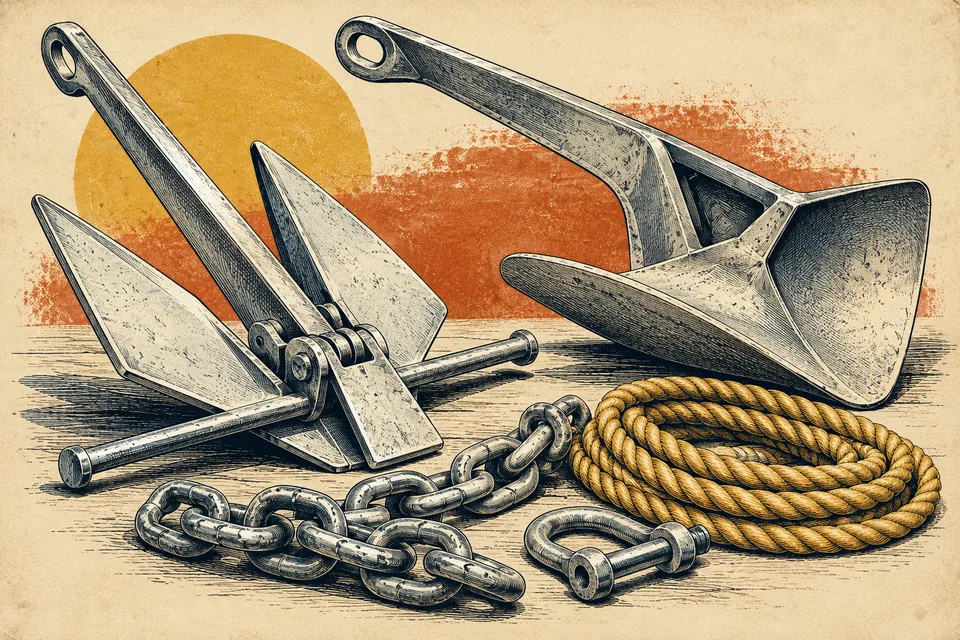 Anchor scope explained: the bow height countsThe underwater depth is only part of the triangle. Forget the height of the bow and your rode calculation is optimistic.Read the guide
 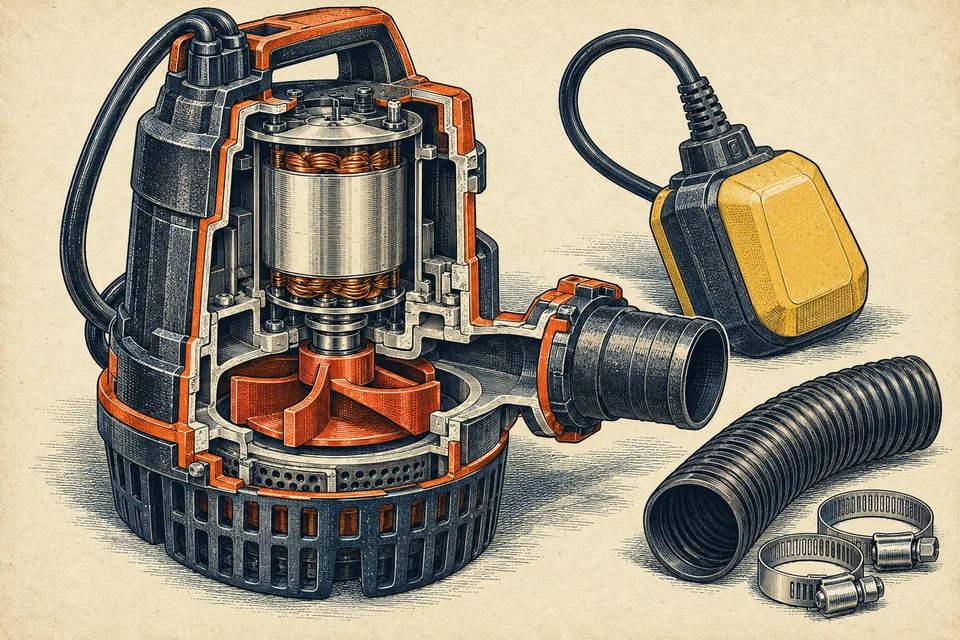 Why your “1,100 GPH” bilge pump may never move 1,100 gallonsThe pump box describes an idealized rating. Your boat has lift, hose friction, wiring loss and a surprising number of bends.Read the guide
 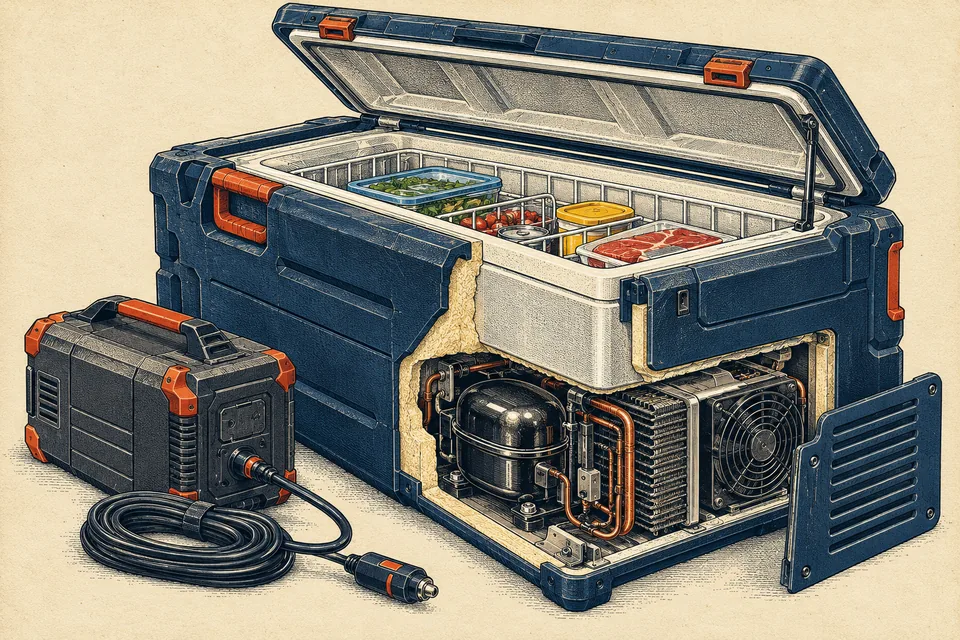 What a marine refrigerator really costs your battery bankA refrigerator does not draw its compressor rating every minute of the day. Unfortunately it also does not cool itself by enthusiasm.Read the guide
 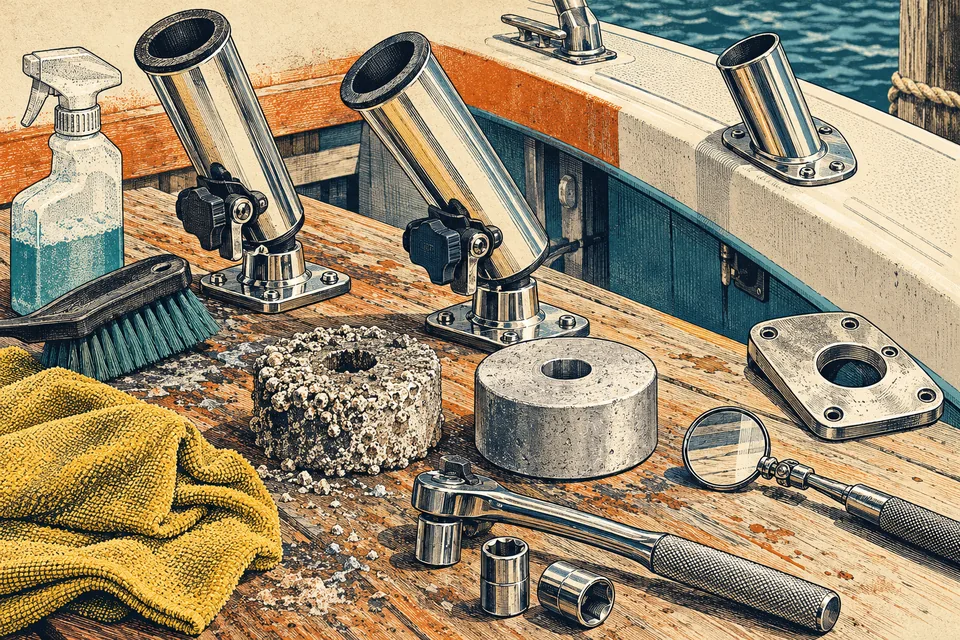 A boat corrosion checklist that actually catches the expensive stuffCorrosion is not impressed by how much the boat cost. Write a short inspection routine and use it.Read the guide Before drilling into the deck: a no-regrets layout for fishing upgradesThe expensive part is not the rod holder. It is realizing you installed it where the hatch opens.Read the guide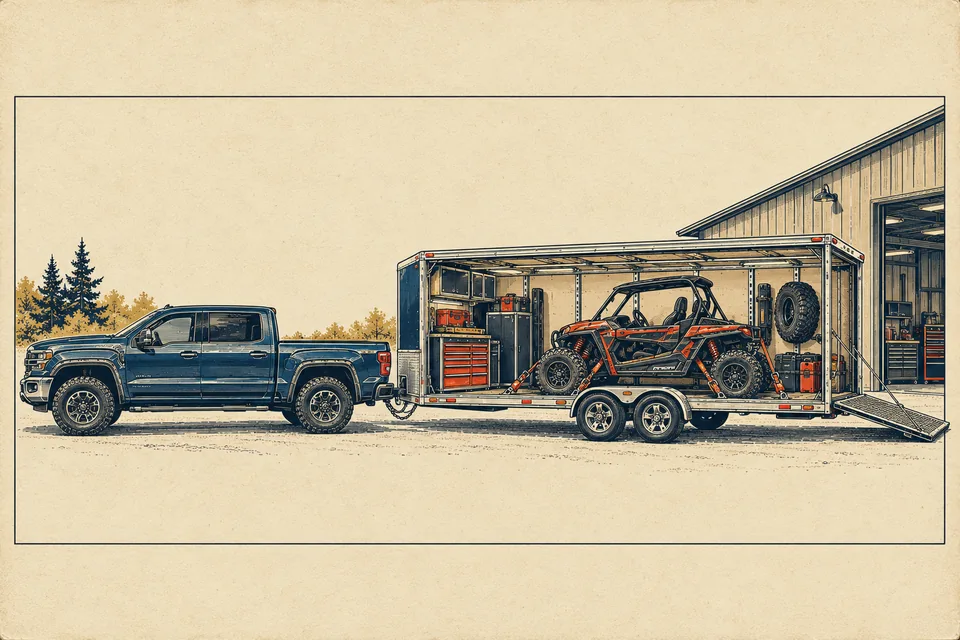
Will your snowmobile actually fit the trailer?
Deck length is not the same as usable loading length. Ski stance, track length and ramp geometry are part of the purchase.
Read the guide ↗Open or enclosed sled trailer: which headache do you prefer?
A cheaper open trailer has different storage, salt-exposure and loading trade-offs than an enclosed cargo-style trailer.
Read the guide ↗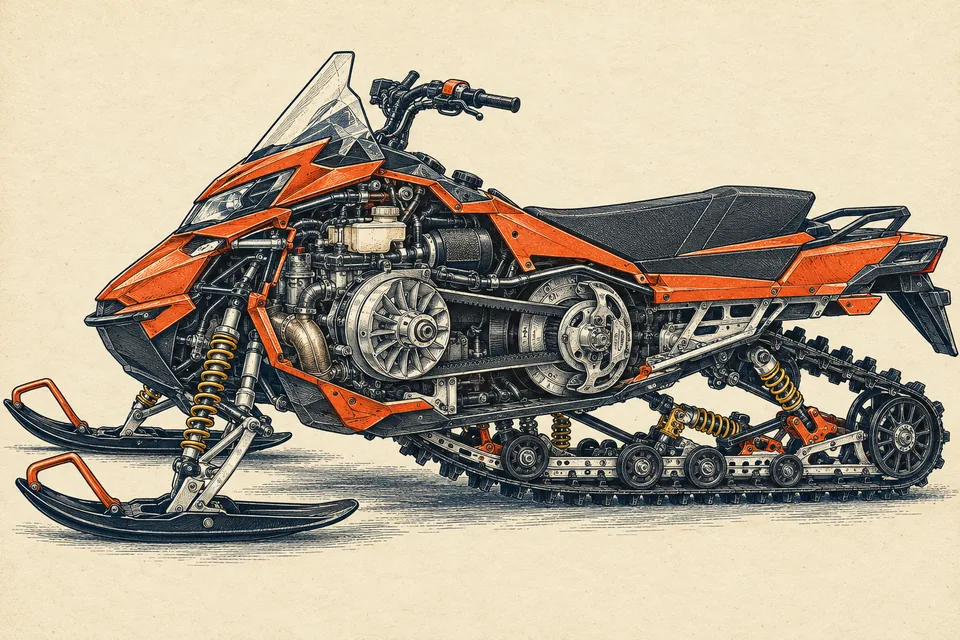
Snowmobile track length: traction versus manners
Track dimensions affect flotation, handling, replacement cost and what fits in your garage or trailer.
Read the guide ↗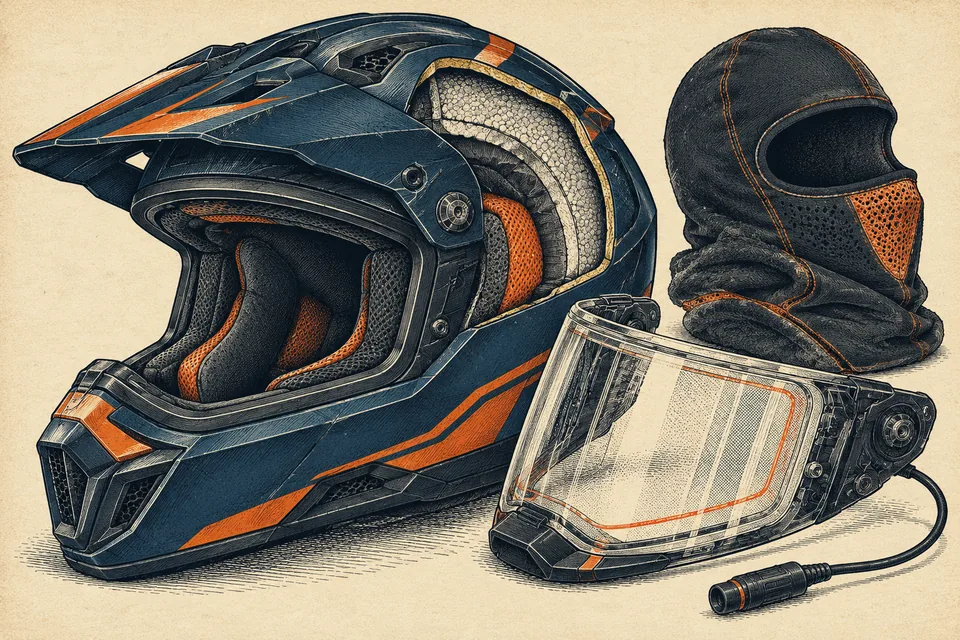
Heated shields, goggles and fog: the power-chain checklist
Anti-fog equipment only works when helmet fit, venting, wiring and available power all cooperate.
Read the guide ↗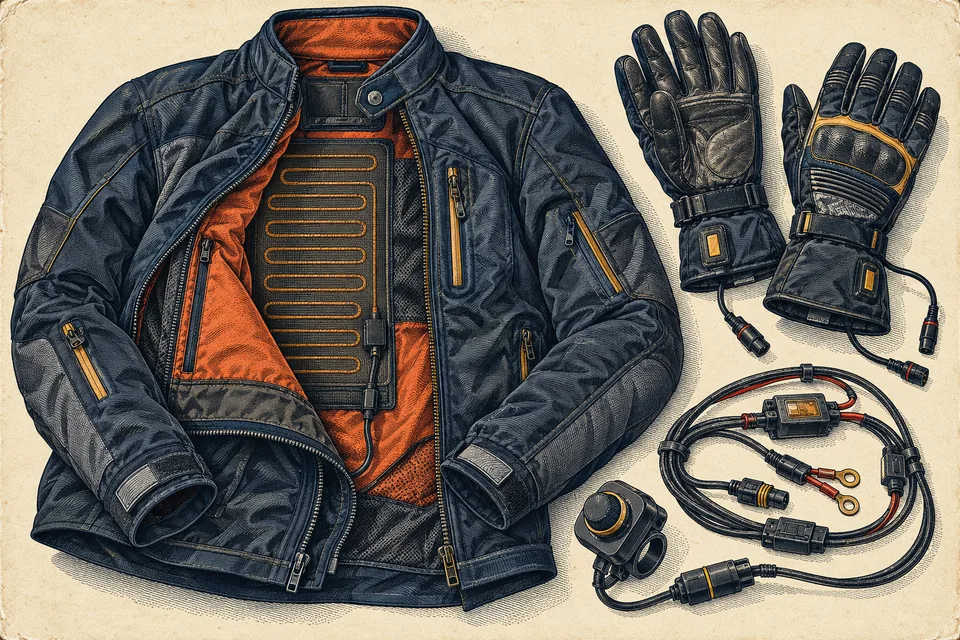
Heated gear power budget for long winter rides
A vest, gloves and grips can collectively draw enough power to exceed what an accessory circuit can safely supply.
Read the guide ↗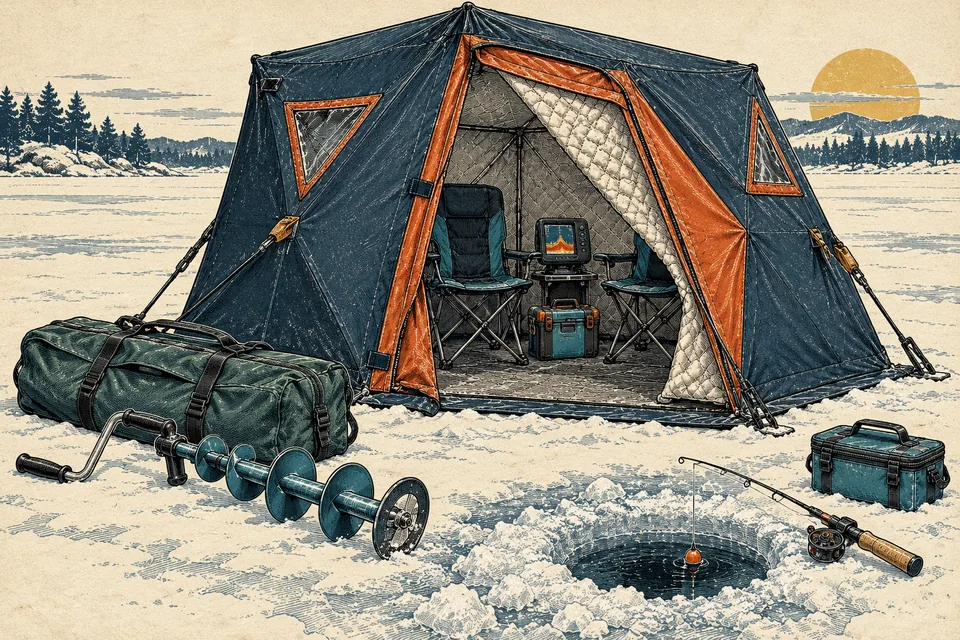
How much battery does an ice-fishing setup need?
Sonar, lights, a fish finder and a heater fan have different duty cycles. Amp-hours alone are not a runtime guarantee.
Read the guide ↗Portable ice shelter: the measurements buyers skip
Usable fishing area, folded transport dimensions and total packed weight decide whether a shelter fits your routine.
Read the guide ↗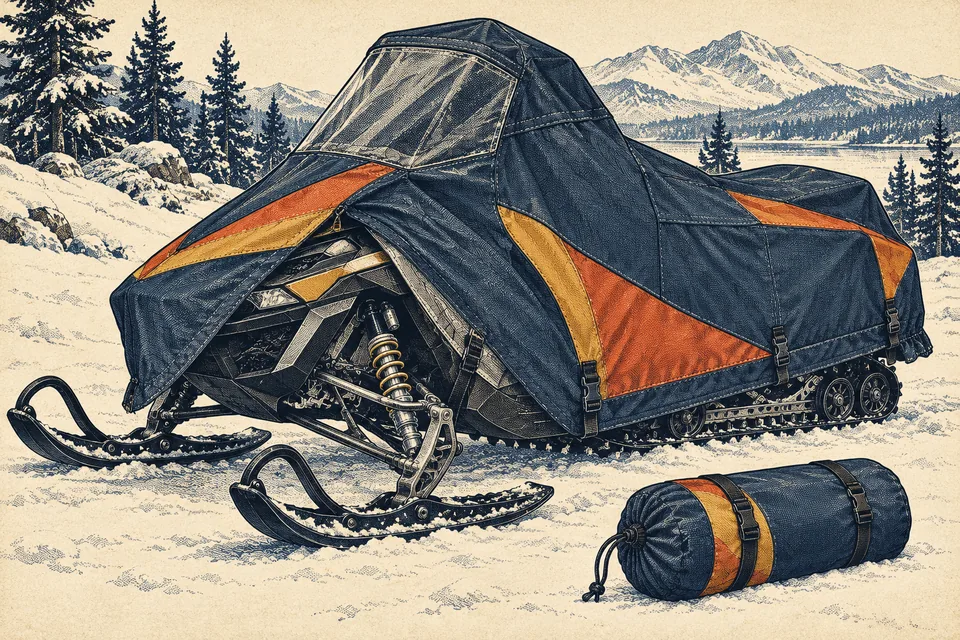
Snowmobile storage: covers, moisture and off-season damage
The right cover protects from dust and sunlight without trapping wet salt and melting snow against the machine.
Read the guide ↗What belongs in a real snowmobile spare belt kit?
A spare belt is only valuable if it fits, survives storage and can actually be installed with the tools you carry.
Read the guide ↗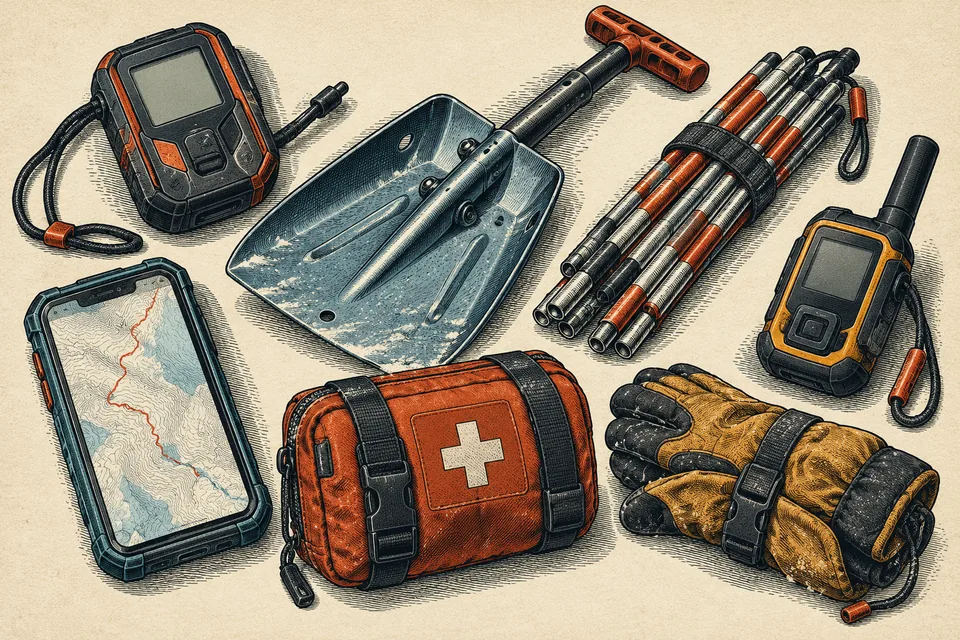
Backcountry avalanche kit: buy the training too
A transceiver, probe, shovel and training are basic starting points; a gadget does not make avalanche terrain safe.
Read the guide ↗Winter trail navigation when your phone has no signal
A map app, offline data, emergency communication and weather protection are four different requirements.
Read the guide ↗Sled suspension setup before buying aftermarket shocks
Rider weight, cargo, sag, springs and maintenance can change behavior more cheaply than new dampers.
Read the guide ↗Tow rating versus payload: the number that ruins road trips
Trailer weight is only one limit. Tongue weight uses the tow vehicle’s payload alongside passengers and gear.
Read the guide ↗Trailer tongue weight: find the actual number
Load distribution changes handling and vehicle axle loads. A percentage guess is not a scale reading.
Read the guide ↗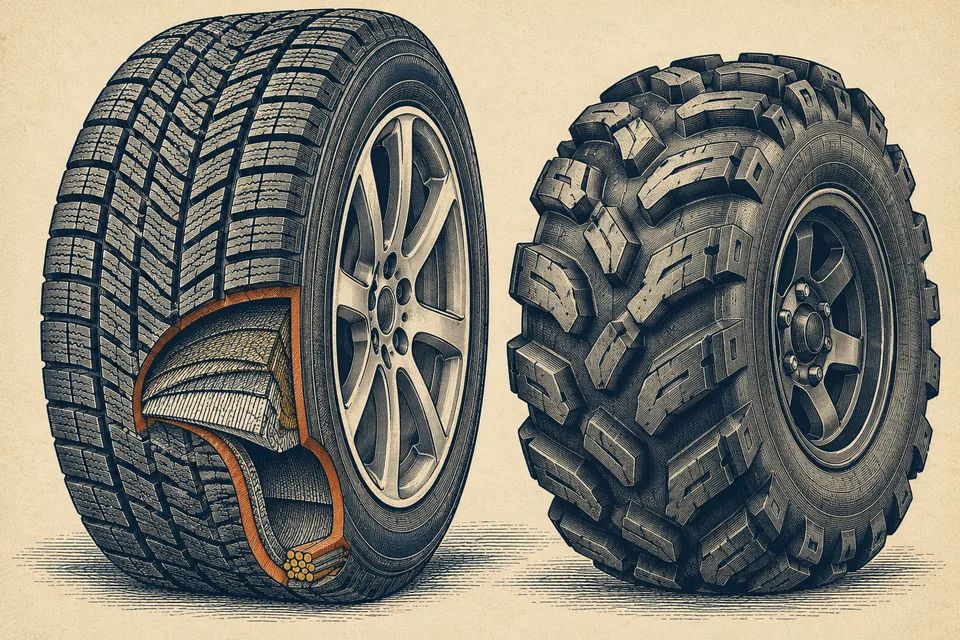
Winter tires: buy for the weather you actually get
A snowflake symbol is useful, but ice performance, sizing and tire age still matter.
Read the guide ↗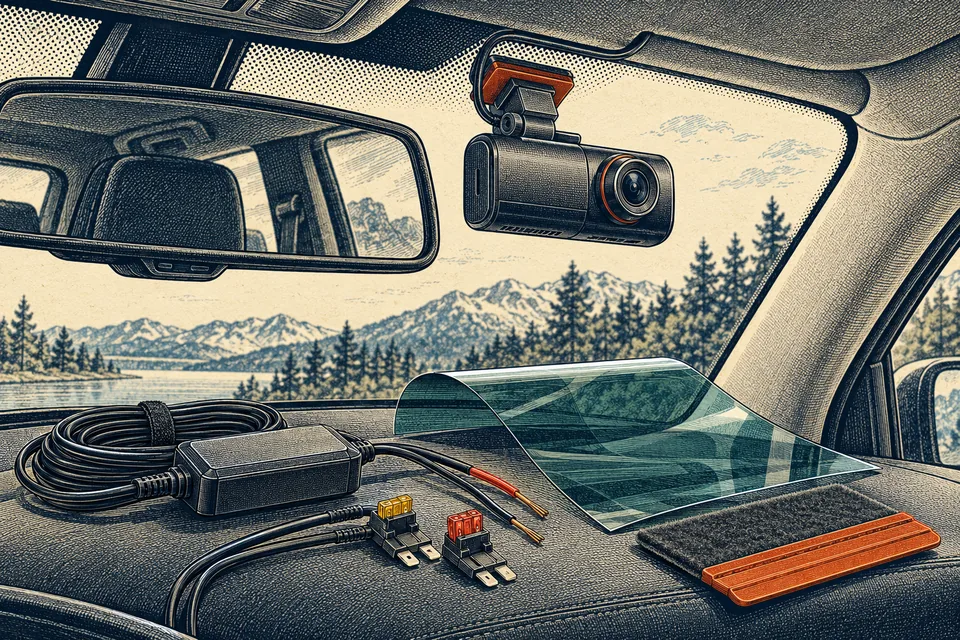
Ceramic window tint: separate film specs from salesmanship
“Ceramic” and “ceramic blend” are not standardized performance grades. Ask for measured optical specifications.
Read the guide ↗Dash cam parking mode without a dead starter battery
Continuous recording requires a safe power path, low-voltage cutoff and realistic storage expectations.
Read the guide ↗RV refrigerator power budget: watts beat brochure adjectives
Compressor fridges cycle, temperature changes the duty cycle, and battery chemistry changes usable energy.
Read the guide ↗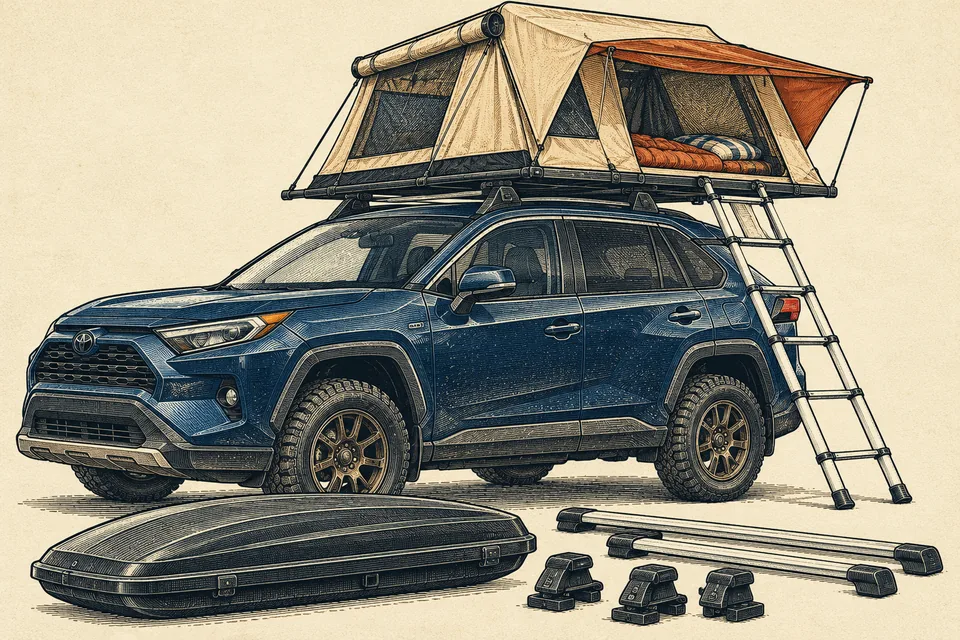
Roof-rack capacity: the limit is not the basket sticker
The roof, rails, crossbars and accessory mounts may each have a different rating.
Read the guide ↗Hybrid road-trip math: what better MPG really saves
Better fuel economy saves dollars only relative to miles driven, fuel cost and the alternative vehicle.
Read the guide ↗Tow hitches: receiver fit, electrical wiring and the weak link
Choosing a hitch is not the same as making a vehicle tow-ready.
Read the guide ↗Rooftop box or hitch cargo rack?
Cargo volume, center of gravity, tailgate access and lighting obstruction decide the practical winner.
Read the guide ↗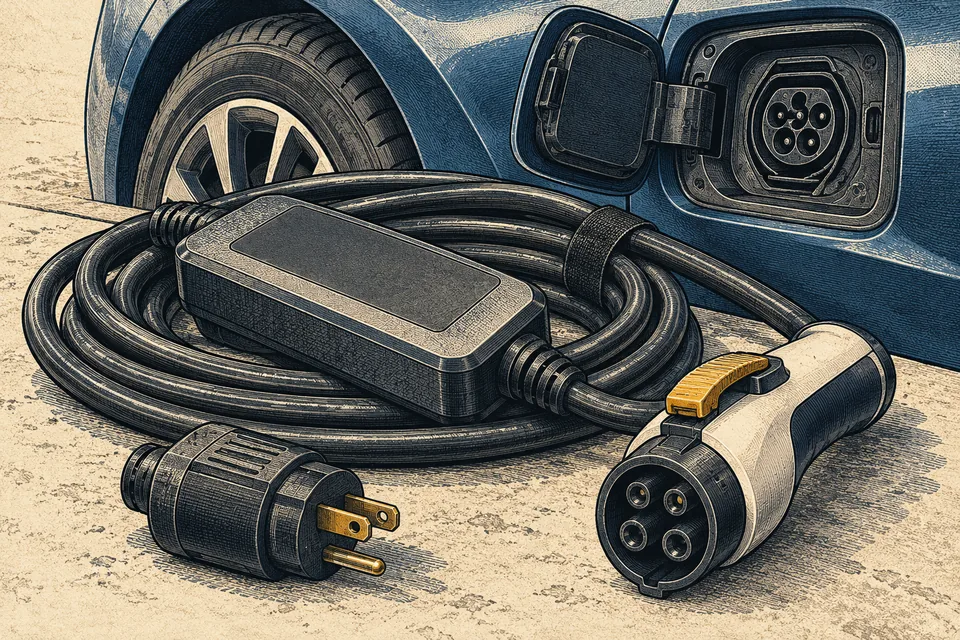
Portable EV charging: outlet math and electrical reality
A plug adapter does not determine safe charging current; the circuit, receptacle, wiring and charger settings do.
Read the guide ↗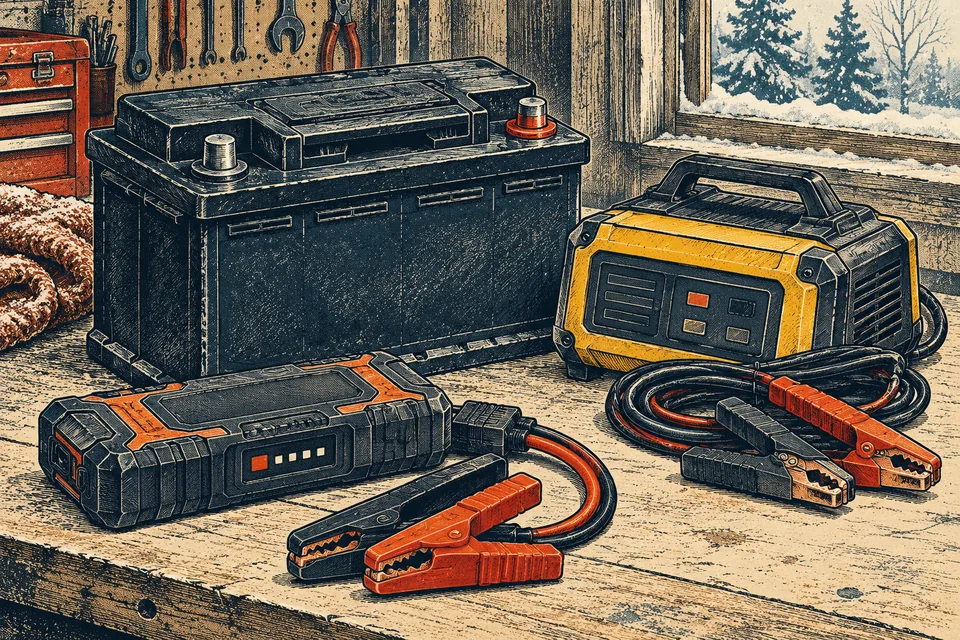
Starter-battery problems that look like expensive repairs
Cold weather, short trips and accessory use can expose a weak battery or charging fault.
Read the guide ↗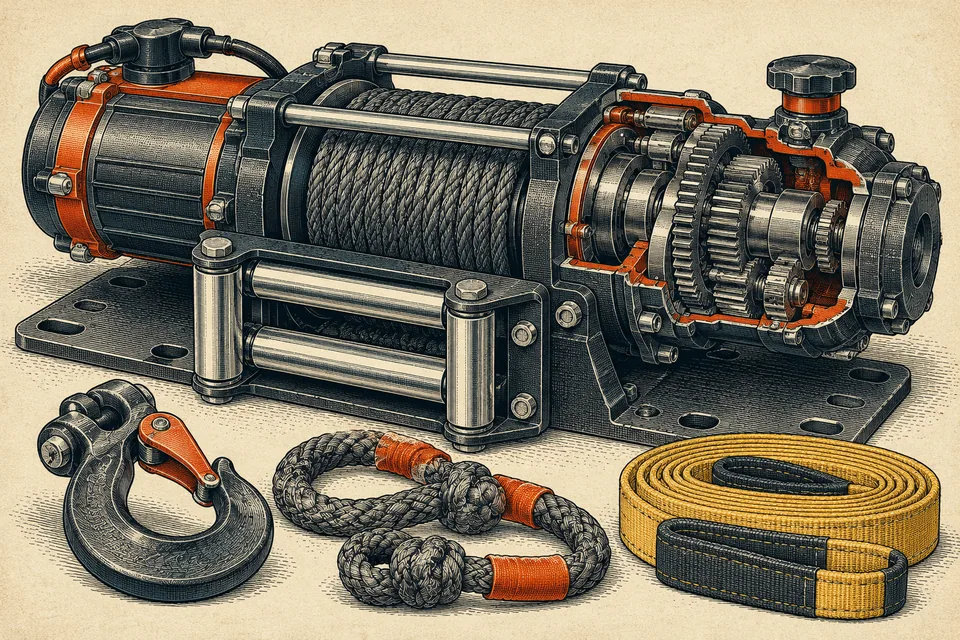
Winch ratings are not a recovery plan
Published maximum line pull is a specific performance rating, not a guarantee in mud or at every rope layer.
Read the guide ↗Soft shackles and recovery gear: match the entire system
A strong-looking shackle can be unsuitable for a sharp-edged recovery point or incompatible load direction.
Read the guide ↗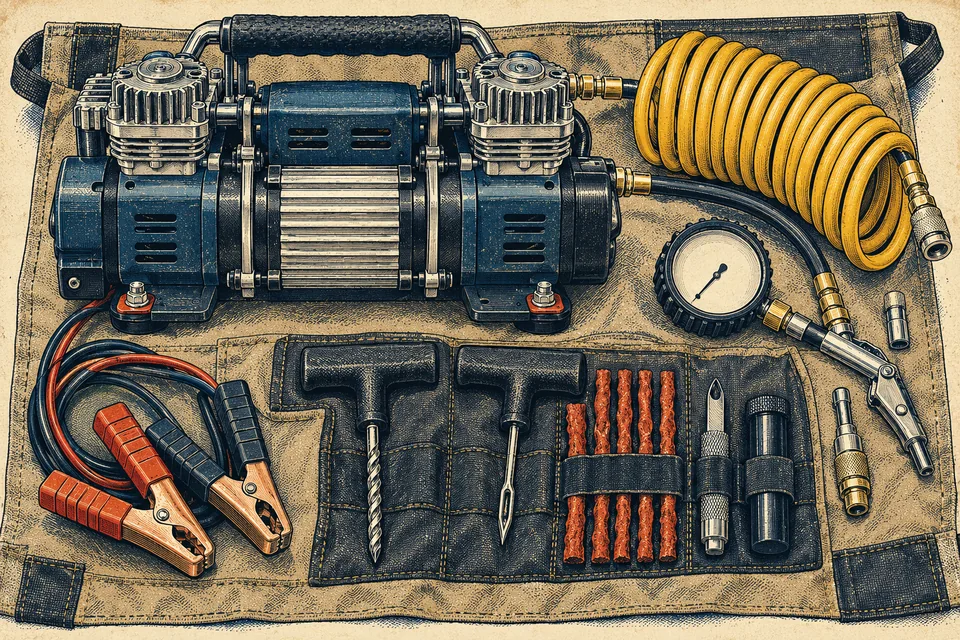
Airing down: traction, clearance and tire limits
Lower pressure can help on certain loose surfaces but raises sidewall, heat and bead-retention concerns.
Read the guide ↗UTV trailer sizing: width, ramps and rear-heavy surprises
Nominal trailer dimensions ignore tire bulge, mirrors, accessories, ramps and the real loaded machine weight.
Read the guide ↗UTV tires: mud, rock or hardpack?
Tread pattern, carcass, size and vehicle gearing change grip and steering much more than tread marketing names suggest.
Read the guide ↗ATV and UTV helmets: fit before fancy graphics
The right helmet is a fit-and-certification decision, not a color choice.
Read the guide ↗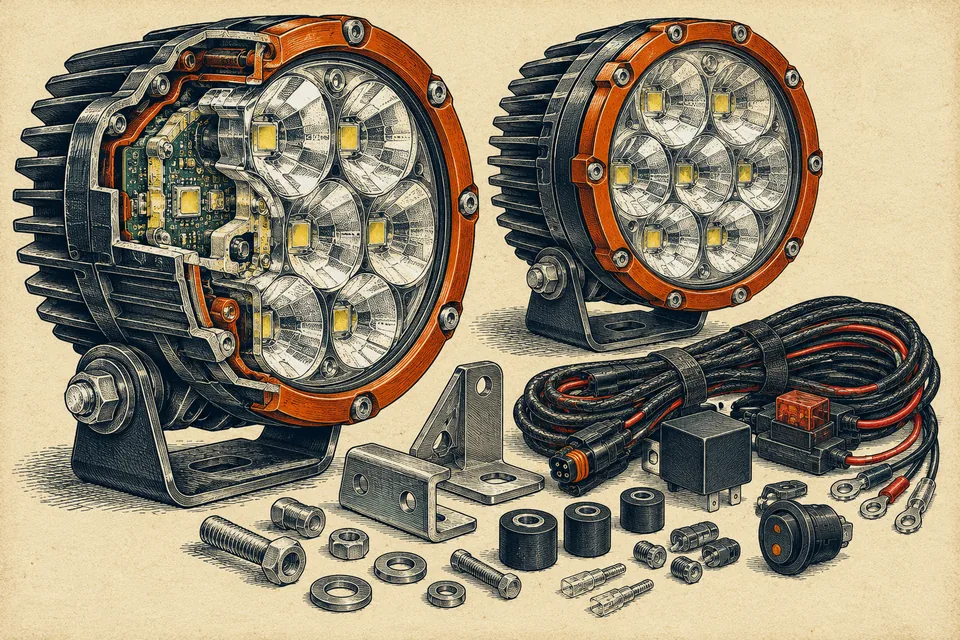
Auxiliary trail lights: aim, wiring and electrical load
A light bar does not become safe merely because it is bright; circuit design and legal road use matter.
Read the guide ↗Overland fridge and battery: power is a daily budget
A fridge can run for days or die overnight depending on ambient heat, solar, battery limits and lid-opening habits.
Read the guide ↗Roof-top tents: the roof rating is the first question
Tents list weights and occupancy, but the roof and rack carry moving loads under their own limits.
Read the guide ↗Build a trail repair kit for your own machine
A generic 100-piece kit often leaves out the exact belt, fuse, axle tool or tire plug you needed.
Read the guide ↗Off-road trail access: legal beats convenient
Vehicle legality, trail designation, permits and seasonal closures can change from place to place.
Read the guide ↗Off-road air compressors: how fast is actually fast?
Maximum PSI is not enough to predict how long reinflating four tires will take.
Read the guide ↗No matching guide. Try another term.